Understanding the Modern Healthcare Revenue Cycle
Mednoria RCM Team · Revenue Cycle Operations
A structured look at how the revenue cycle has evolved across healthcare organizations — and where operational focus matters most today.
For most healthcare organizations, the revenue cycle is not a single department or a software tool. It is the full journey a claim takes from the moment care is scheduled to the moment the final dollar is collected. Understanding how that journey works — and where value is created or lost along the way — has become a strategic priority for finance and operations leaders alike.
The revenue cycle as a connected system
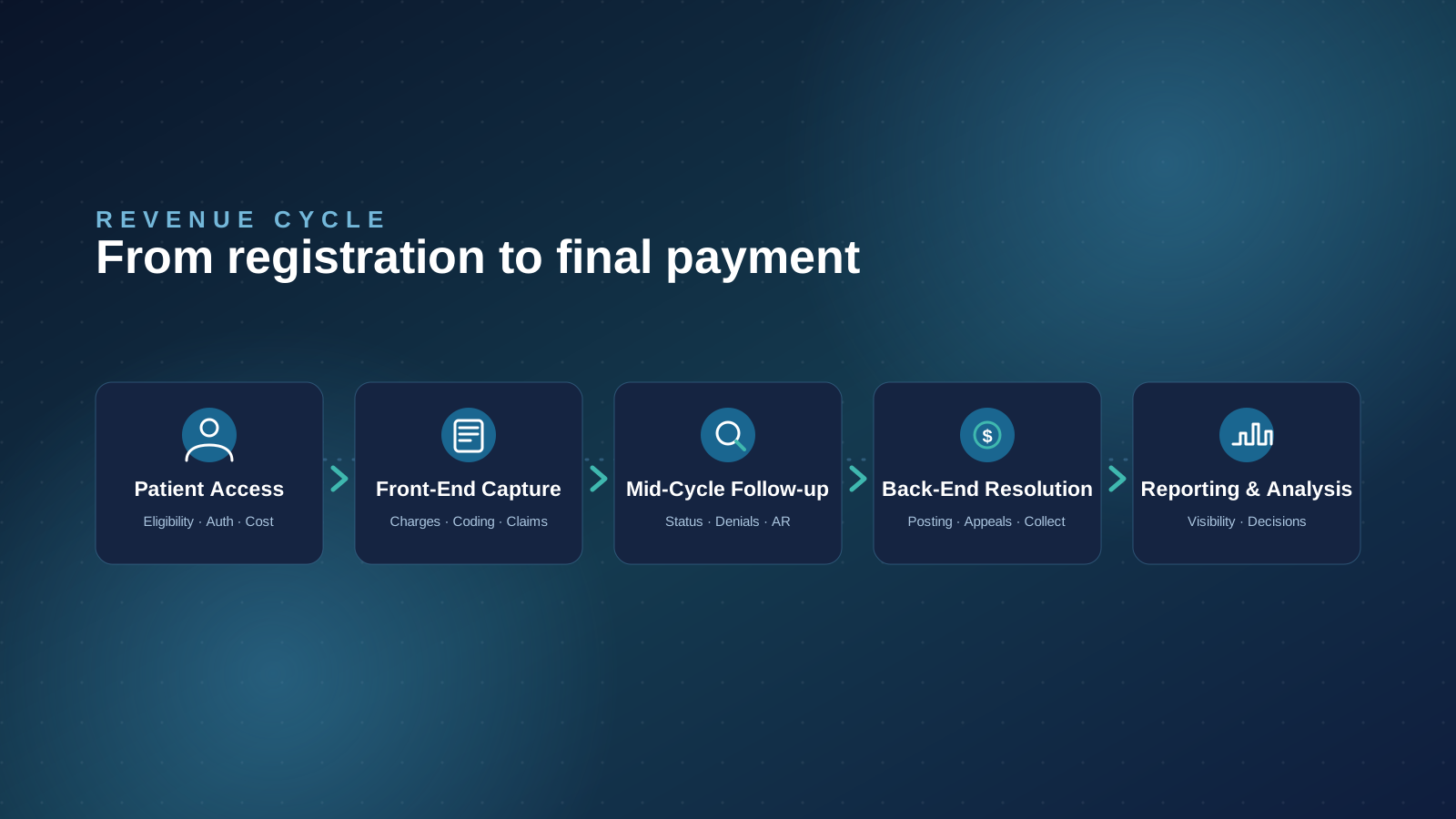
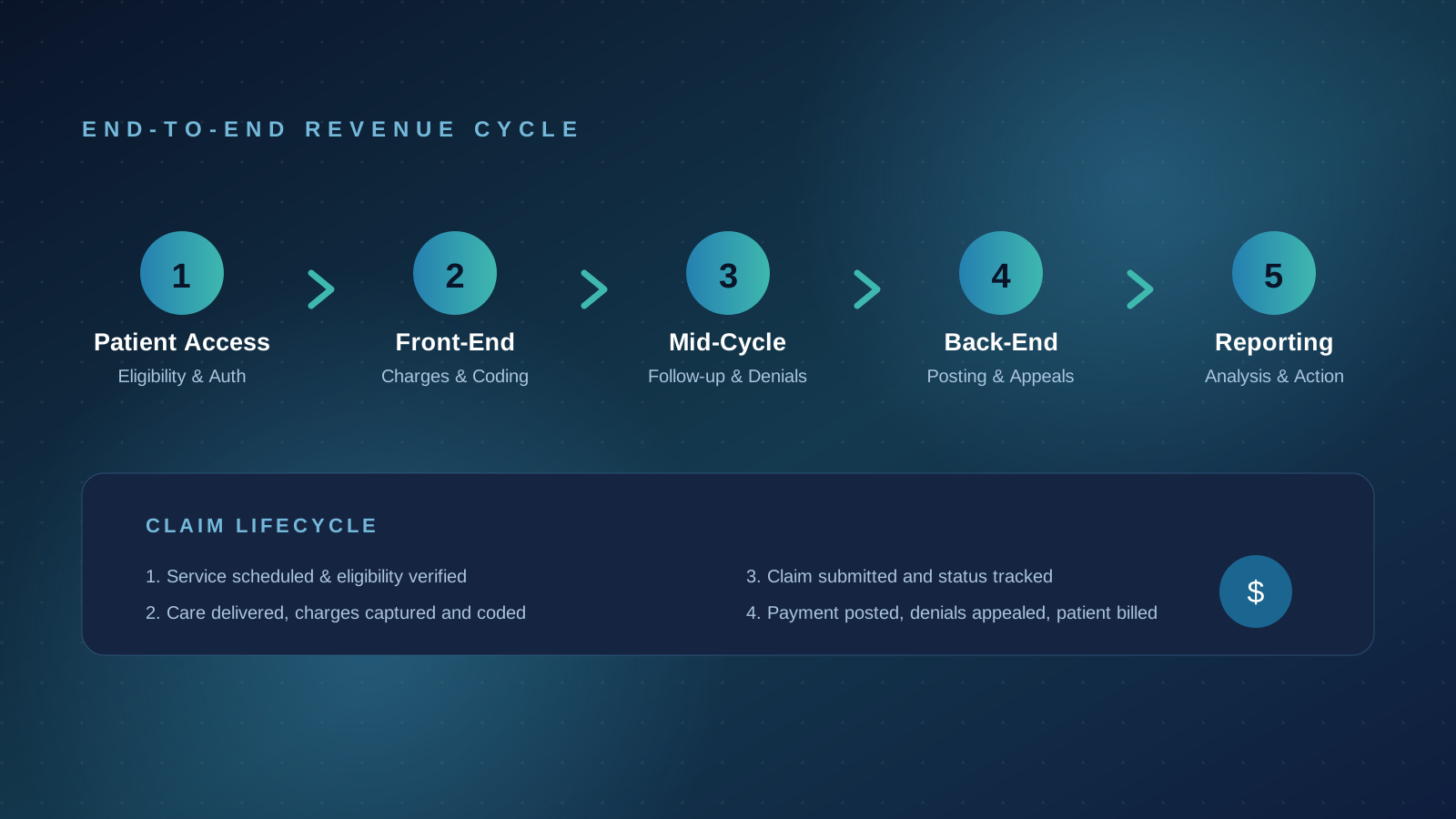
A modern revenue cycle spans several connected stages, and the output of one stage becomes the input of the next. When one link weakens, the effect compounds downstream. The core stages are:
- Patient access — eligibility verification, benefits discovery, prior authorization and upfront financial conversations.
- Front-end capture — charge capture, coding accuracy and clean claim submission.
- Mid-cycle follow-up — claim status monitoring, denial prevention and accounts receivable tracking.
- Back-end resolution — payment posting, adjustments, appeals and patient collections.
- Reporting and analysis — the visibility that turns operational data into decisions.
What has changed in the last decade
The fundamentals have not changed, but the operating environment has. Patient financial responsibility has grown as high-deductible plans become more common, shifting more emphasis onto upfront patient conversations. Payer complexity has increased, with a steady rise in technical and clinical denials. Manual, paper-based processes have given way to digital, data-rich workflows, and patients now expect a transparent, digital billing experience similar to any other consumer transaction.
- Higher patient out-of-pocket responsibility means collections must begin before the service is delivered.
- Denials are no longer exceptions; they are a predictable part of payer behavior and must be managed as such.
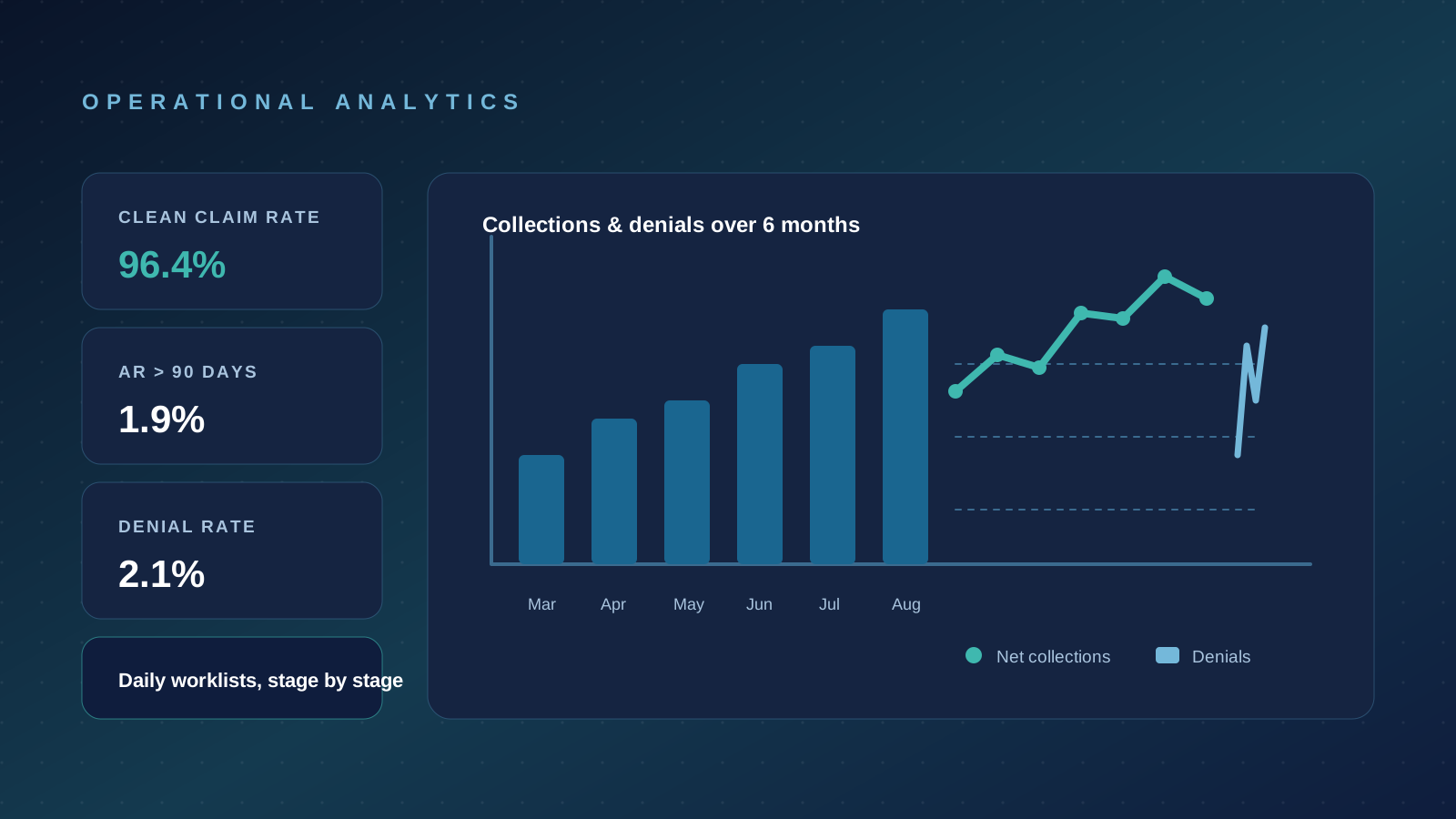
- Data and analytics have moved from a reporting exercise to a day-to-day operational discipline.
Where operational focus matters most
Organizations often try to fix the revenue cycle from the back end — appealing denials, chasing old accounts — when the most effective leverage sits at the front. Clean claims and authorization accuracy at patient access prevent a large share of avoidable denials downstream. Daily follow-up and aging discipline keep accounts from drifting past payer timeliness windows. And root-cause denial analysis prevents recurring write-offs instead of treating the same symptom every month.
“A healthy revenue cycle is not the absence of denials. It is the ability to see a problem, understand its cause and resolve it before it becomes a write-off.”
A practical operating model
High-performing revenue cycle teams combine four things: clear accountability for each stage, documented workflows that everyone follows, daily management reporting that surfaces problems early, and continuous training so staff stay current with payer changes and coding updates.
For organizations that get this right, the reward is not only higher collections. It is a finance function that operates with confidence and predictability — and the freedom to focus on growth instead of firefighting.

Ready to strengthen your revenue cycle?
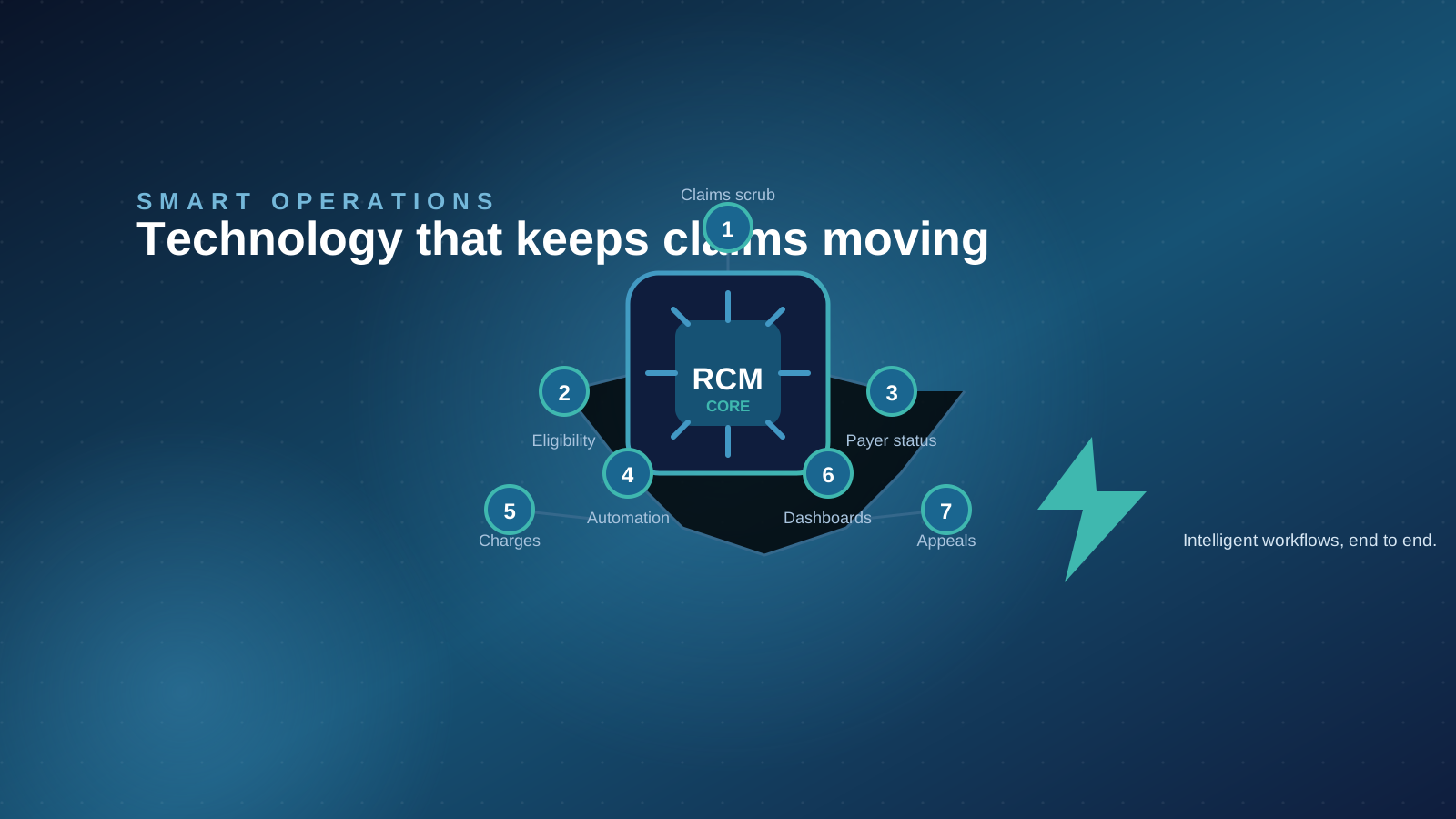
Talk to our team about how structured processes and the right technology can improve visibility, accuracy and collections.