Reducing Revenue Leakage Through Better RCM Processes
Mednoria RCM Team · Operations & Process
Where revenue leakage commonly occurs across the revenue cycle, and how structured processes help organizations identify and reduce it.
Revenue leakage is the quiet erosion of earned income. It rarely shows up as a single dramatic event. Instead, it accumulates across hundreds of small gaps — a missing modifier, an overdue appeal, an authorization that was never verified. Over a year, those gaps can represent a meaningful percentage of net revenue, and most organizations only discover the full picture when they deliberately go looking for it.
What revenue leakage really is
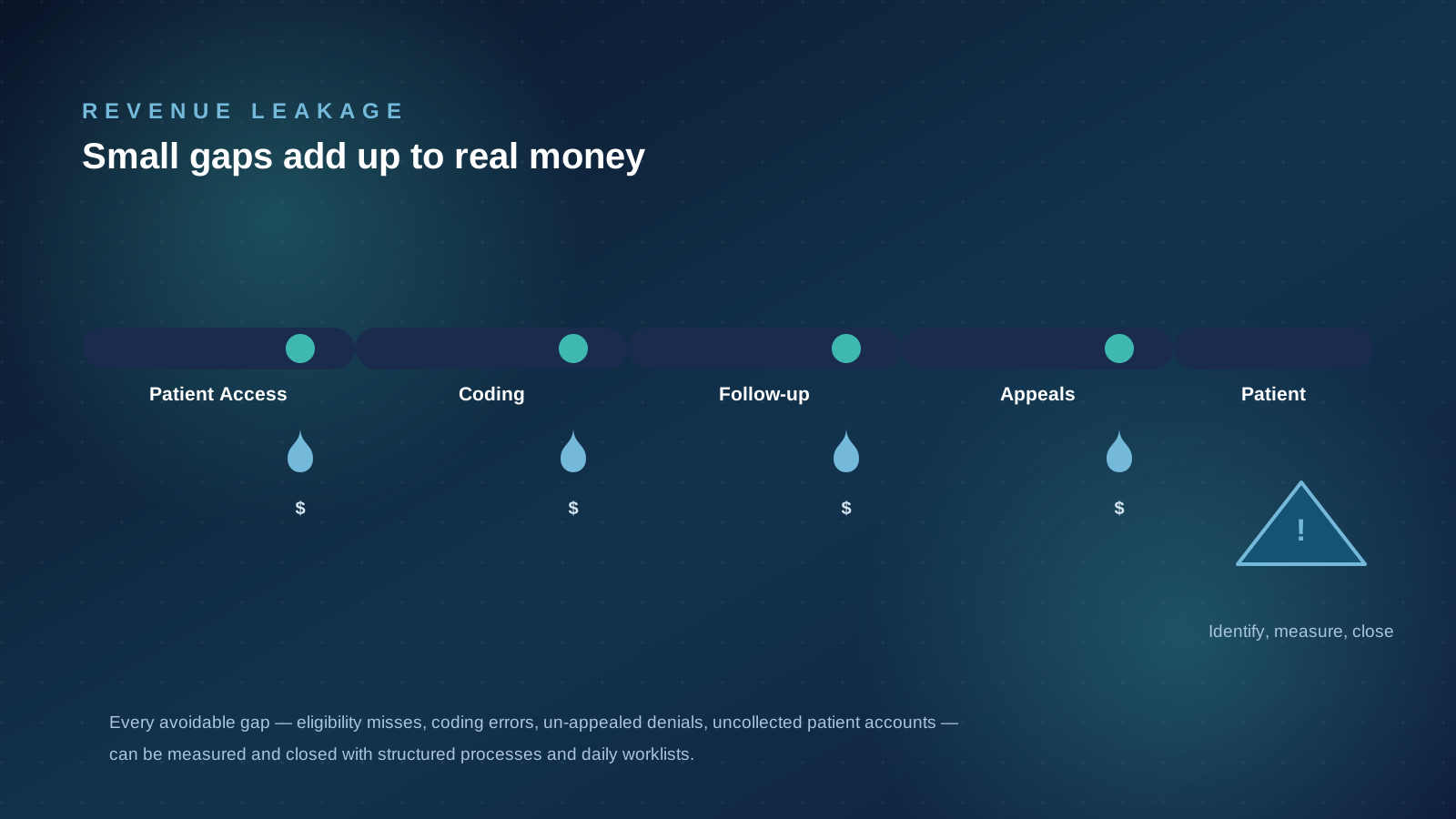
Leakage is the difference between what an organization should collect and what it actually collects. Some of that difference is unavoidable — contractual adjustments, bad debt and legitimate write-offs. The rest is avoidable: dollars lost to process gaps that structured operations can close. The challenge is that leakage is spread across the entire revenue cycle, which makes it invisible unless it is measured stage by stage.
Where leakage commonly hides
In our experience, leakage concentrates in a handful of predictable places:
- Incomplete or missing charges at the point of service — services rendered but never captured.
- Eligibility and authorization gaps — care provided without confirmed coverage or prior approval.
- Coding errors that understate or overstate service value, triggering avoidable denials or recoupments.
- Denials that are accepted without appeal, even when the account is clinically and contractually valid.
- Self-pay and patient accounts that are never pursued with a structured collection process.
- Timely-filing misses — accounts that expire because follow-up did not happen on the right day.
How structured processes reduce leakage
Reducing leakage is less about heroic effort and more about repeatable process. Organizations that consistently close gaps share a common approach:
- Standardize the front end — eligibility, benefits and authorization checks happen before care, not after.
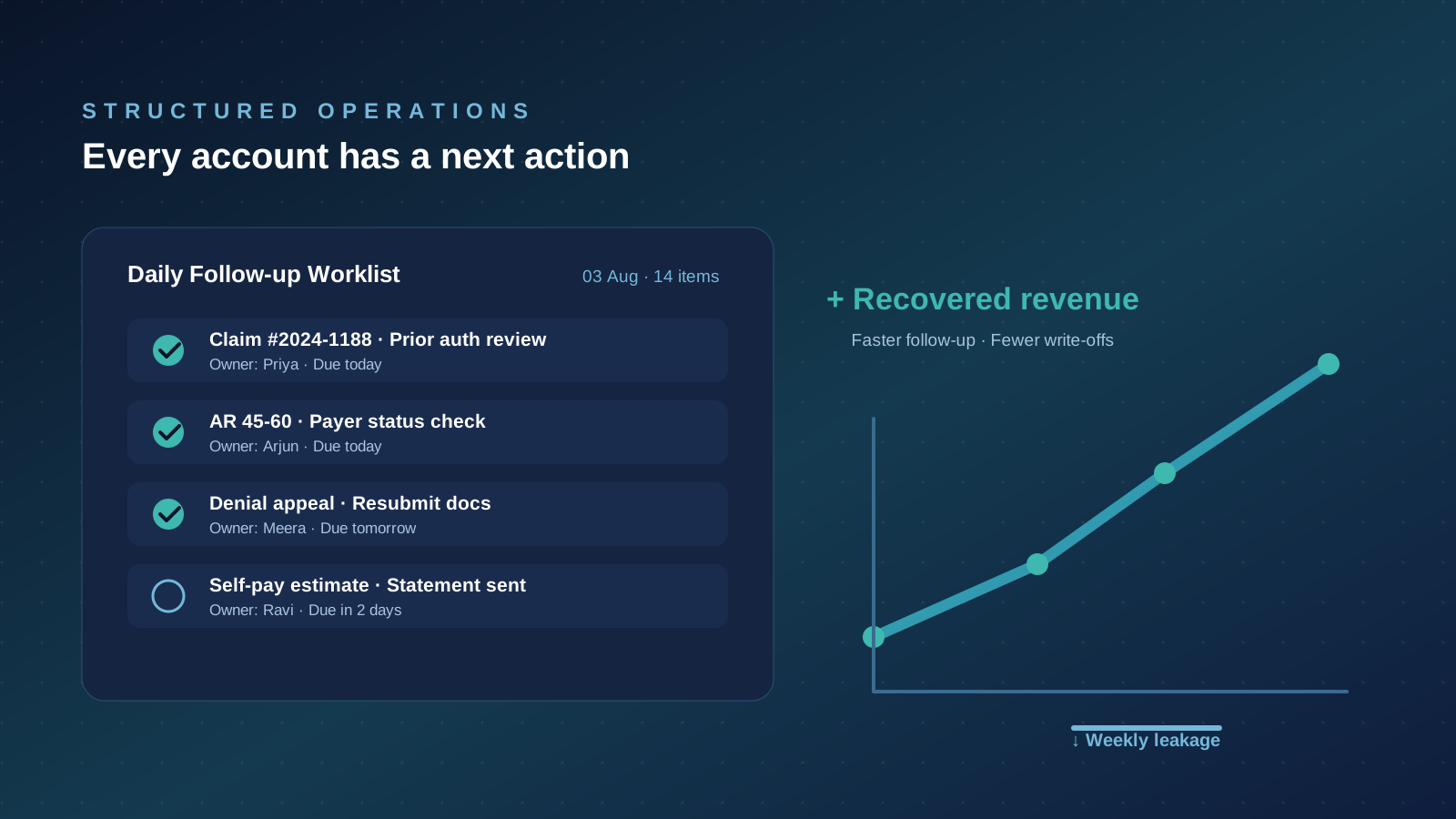
- Build a daily worklist — every claim has a next action and an owner, so nothing waits for discovery.
- Track denials by root cause — measure why denials happen, not just how many, so fixes target the source.
- Recover underpayments — systematically compare payment against contracted rates instead of accepting what arrives.
- Report leakage by stage — make the dollar impact of each gap visible to the people who can act on it.
“Every percentage point of avoidable leakage is real cash that directly improves operating margin — no new volume required.”
Measuring the impact
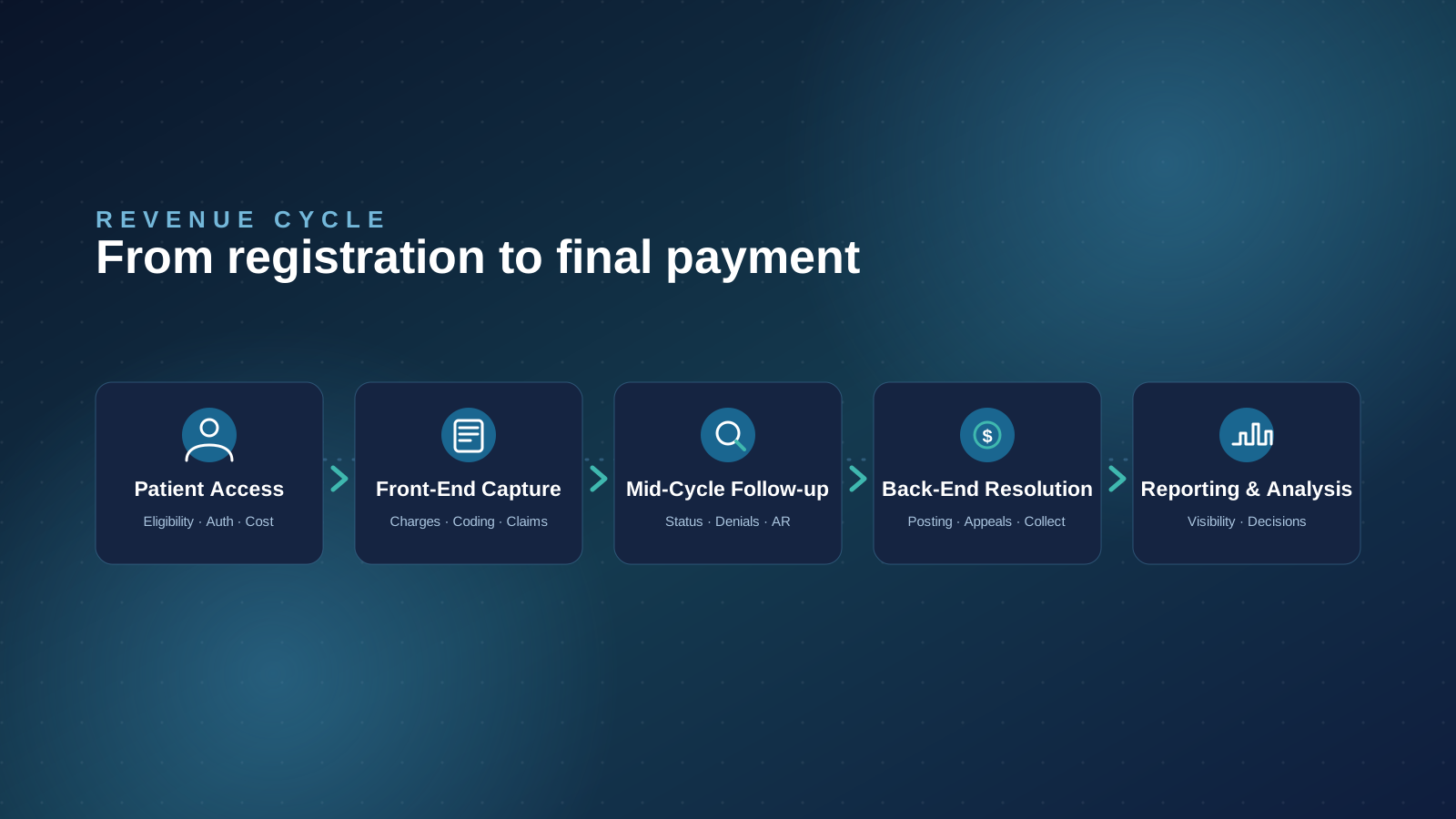
The most useful starting metric is a simple one: what did we collect this month compared with what we expected to collect? From there, teams can break the variance down by stage — front end, coding, follow-up, denials, patient collections — and quantify the largest opportunities. What gets measured gets managed, and in revenue cycle operations, that discipline is what turns leakage from an accepted cost into a controllable gap.
The goal is not perfection on any single metric. It is a process that finds gaps quickly, fixes them permanently and gives leadership confidence that the revenue cycle is capturing what the organization has earned.
Ready to strengthen your revenue cycle?
Talk to our team about how structured processes and the right technology can improve visibility, accuracy and collections.