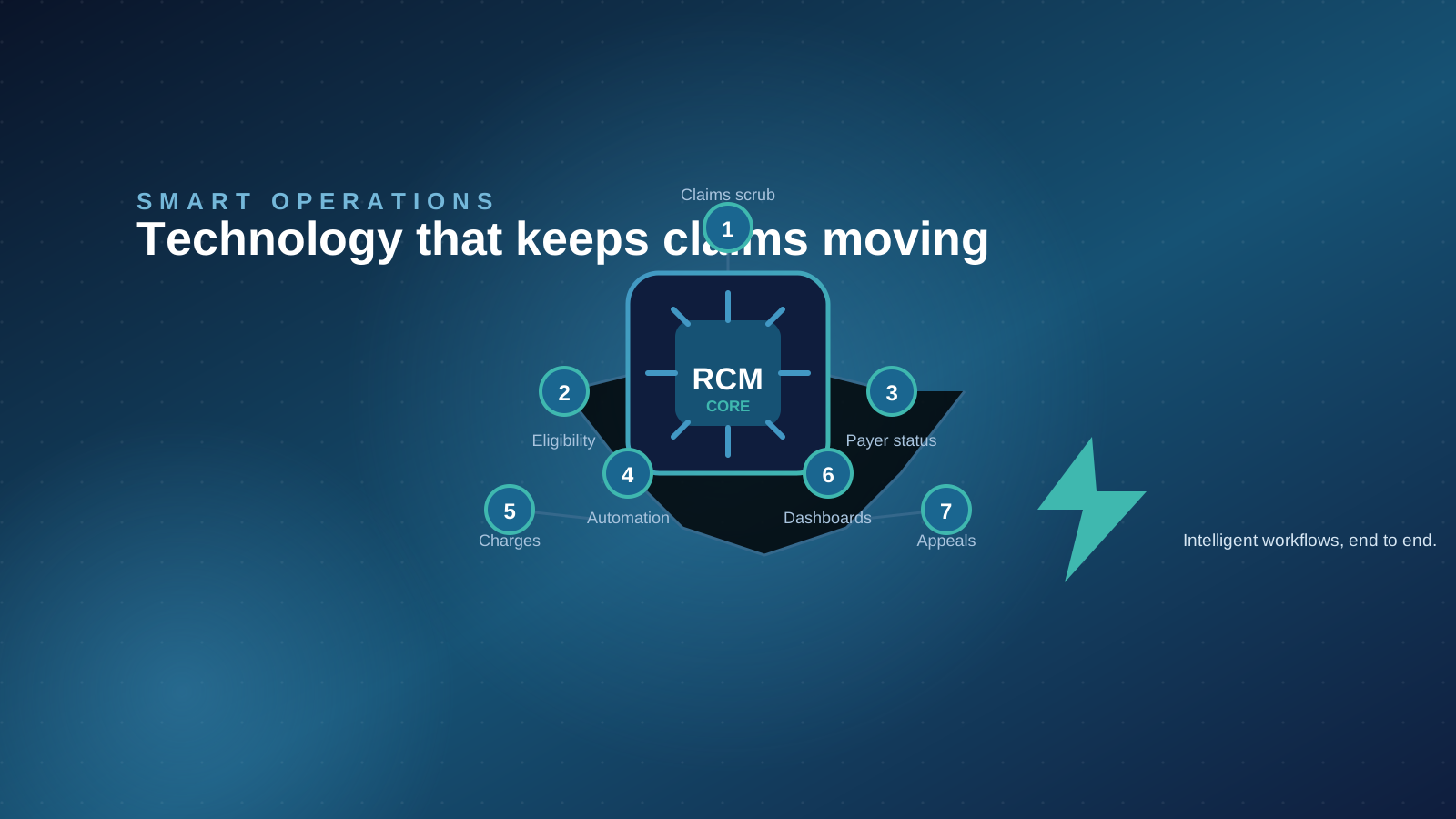
The Role of Technology in Healthcare Revenue Cycle Management
Mednoria RCM Team · Technology & Automation
How technology-enabled workflows and structured operations can improve visibility, accuracy and efficiency across revenue cycle functions.
Healthcare revenue cycle management is, at its core, an information business. Every claim is a bundle of data — demographics, insurance, services, codes, contracts, statuses — and every decision in the cycle depends on that data being accurate, current and visible to the right person at the right time. Technology has become central to the revenue cycle precisely because it makes that flow of information manageable at scale.
From manual workflows to structured operations
Not long ago, revenue cycle work was largely manual: spreadsheets for tracking, paper for records and experienced staff carrying the process in their heads. That model breaks down as claim volumes grow and payer rules become more complex. Technology replaces the dependency on memory with structured, repeatable workflows — and that shift is what separates organizations that scale cleanly from those that add headcount to keep up.
Technology-enabled workflows in practice
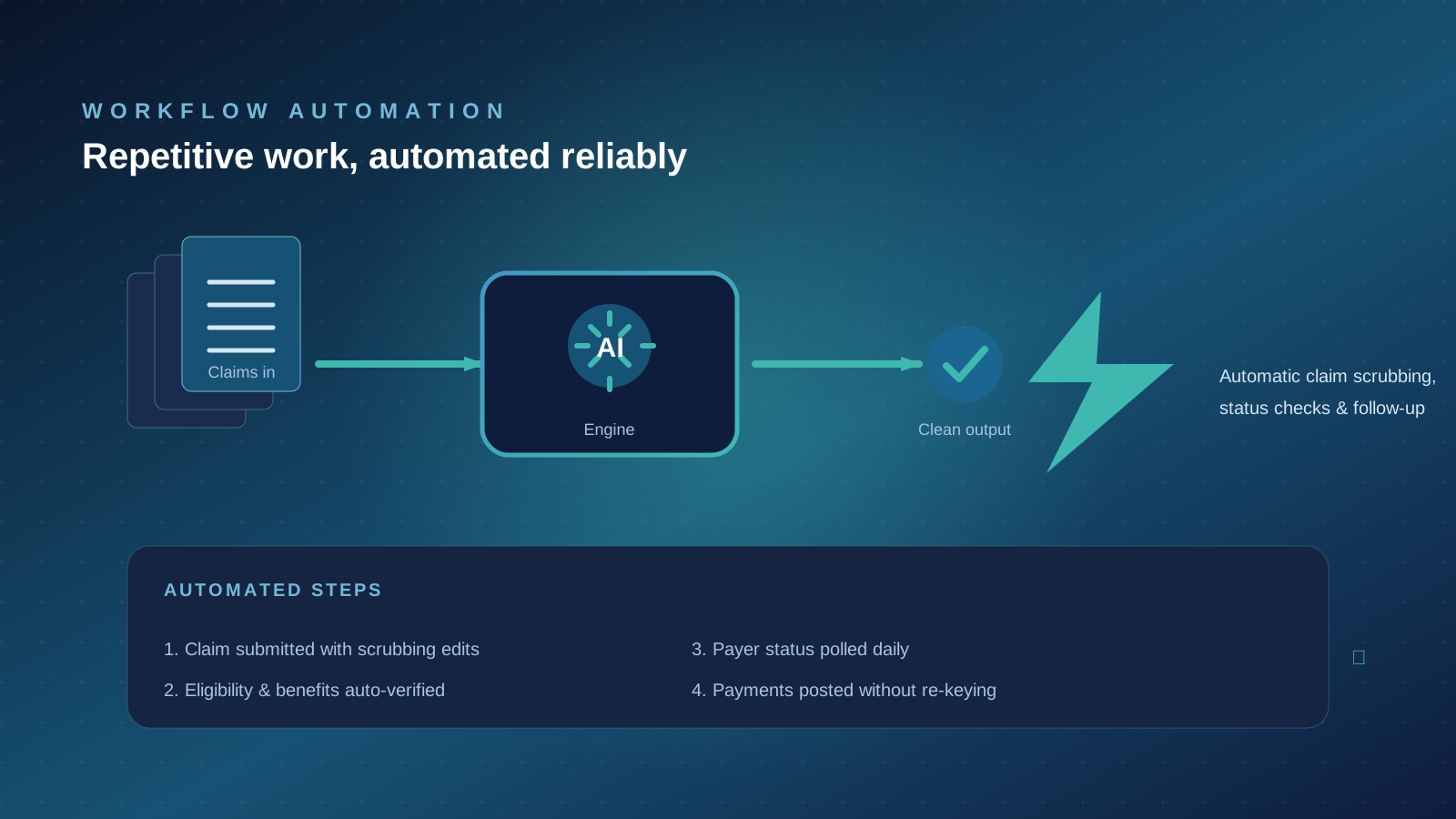
Effective RCM technology does not replace the revenue cycle team; it gives the team better tools, better data and more time to spend on work that actually needs human judgment. In practice, that looks like:
- Claims scrubbing and clearinghouse edits that catch errors before submission, improving first-pass clean claim rates.
- Workflow automation for repetitive follow-up — status checks, reminders and escalations that run without manual chasing.
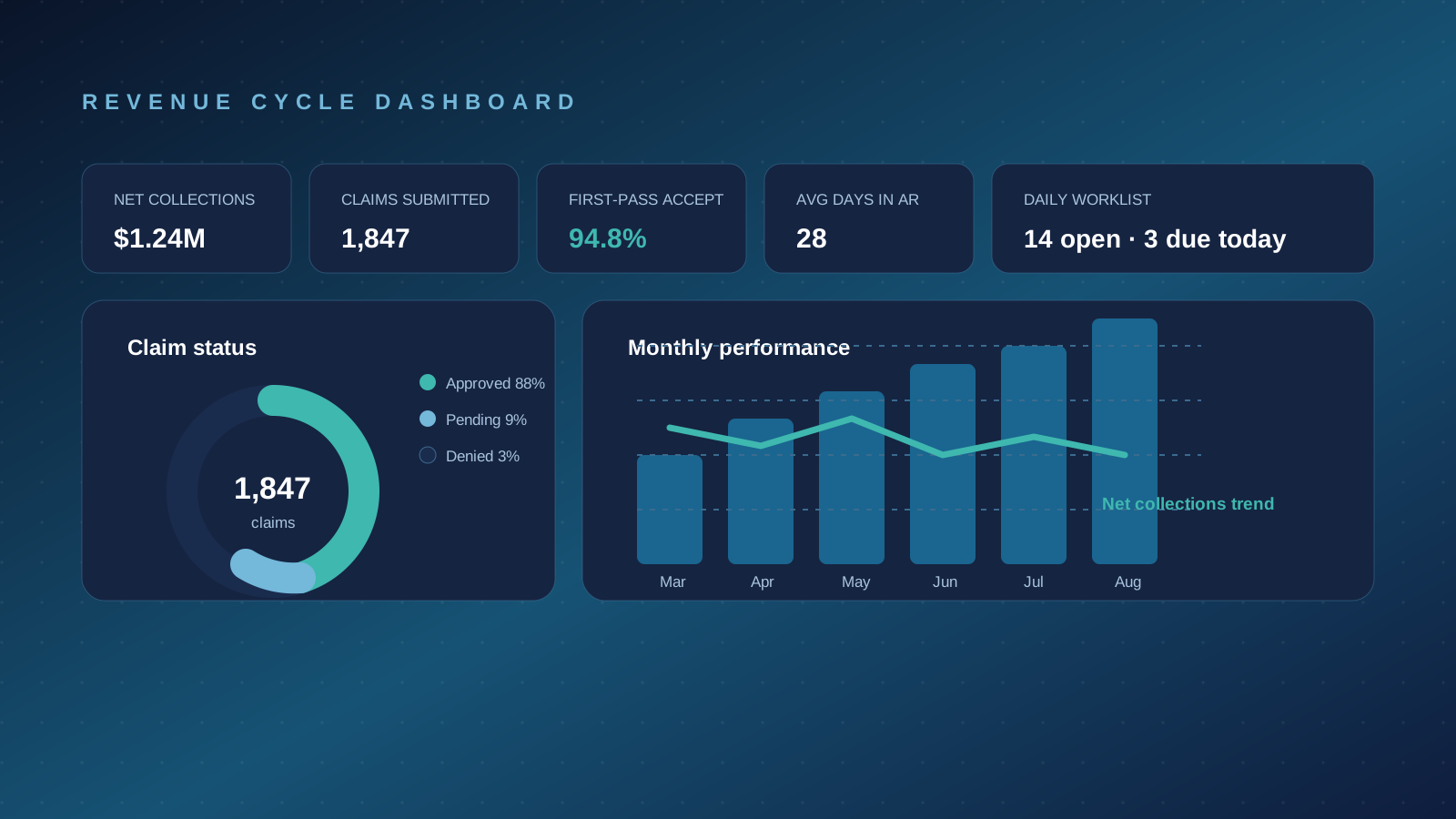
- Dashboarding and reporting that make aging, denials and leakage visible by stage and by root cause.
- Integration across scheduling, registration, billing and payer systems so data flows once instead of being re-keyed.
- Documentation and audit trails that keep every action accountable and every outcome reproducible.
The role of people and process
Technology amplifies whatever process it sits on top of. A well-designed system running a weak process produces a faster version of the same problem — which is why implementation is a process exercise as much as a technical one. The most successful teams treat technology as one layer of a three-layer stack: people who understand the revenue cycle, processes that are documented and measured, and technology that keeps both consistent at scale.
“The goal of RCM technology is not automation for its own sake. It is giving every claim a clear path, every account a next action and every leader a reliable picture of performance.”
Looking ahead
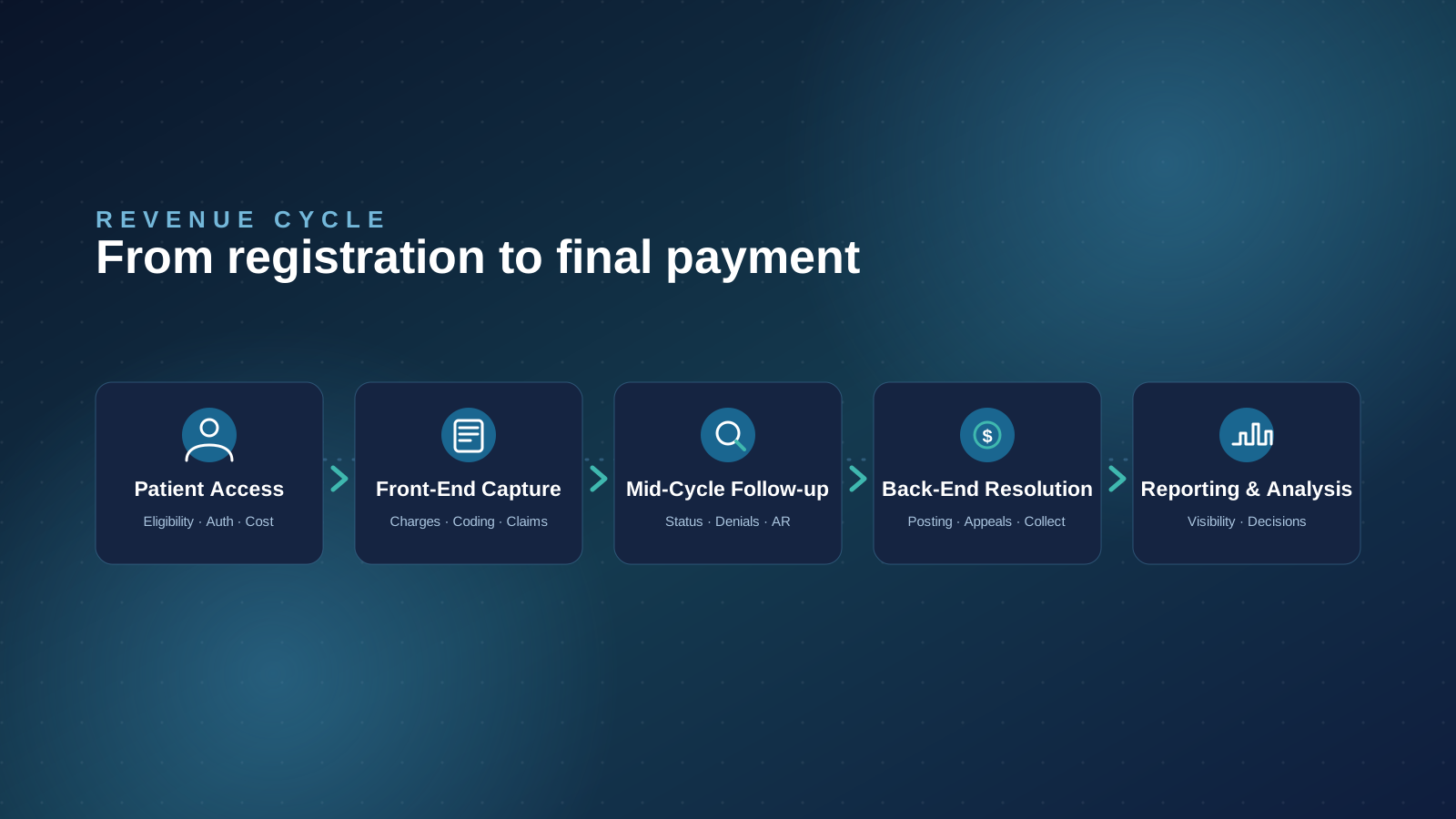
The next wave of RCM technology is increasingly intelligent — tools that predict which claims will deny before submission, prioritize follow-up by likelihood of payment and surface anomalies before they become write-offs. What will not change is the fundamentals: clean data at the front end, disciplined follow-up through the middle and accurate resolution at the back end.
Organizations that invest in technology as part of a broader operating discipline will find that the revenue cycle becomes a source of confidence rather than a source of surprises — and that is a significant advantage in any market.

Ready to strengthen your revenue cycle?
Talk to our team about how structured processes and the right technology can improve visibility, accuracy and collections.